
Durable hardwood rail ties manufactured for strength, reliability, and long term railway performance across demanding transportation networks.
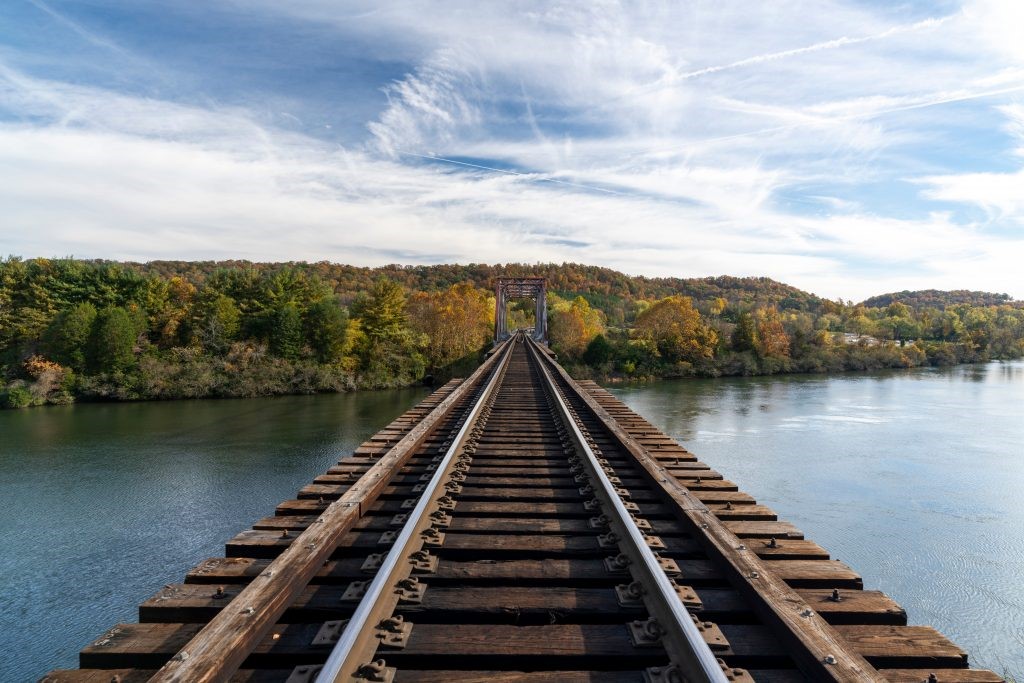
HW rail ties are produced from carefully selected hardwood logs designed to withstand heavy rail loads and long service cycles. Our milling process focuses on durability, consistent sizing, and structural integrity.
These ties support rail infrastructure where strength and dependable performance are essential. While the mill also handles specialty materials like veneer grade logs, rail tie production remains a key industrial focus.
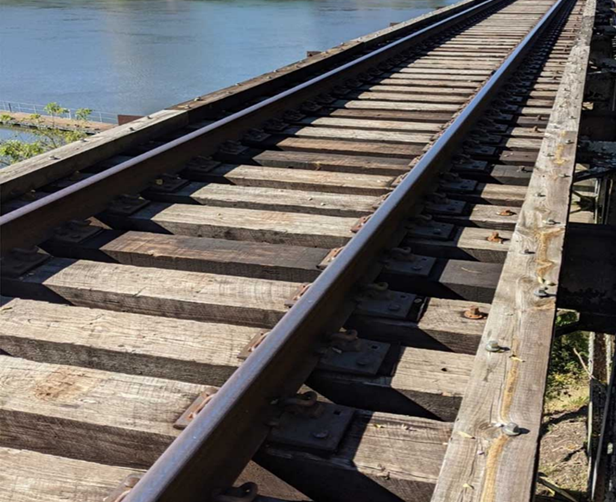
We focus on precision cutting and dependable supply, helping buyers secure strong rail ties without delays. Our facility also handles structural materials like glue laminated timbers, showing our capability with demanding wood products.
The journey of our rail ties starts in the hardwood forests of Appalachia. We select mature oak and mixed hardwood species known for their density and natural resistance to wear. These logs are carefully milled to meet AREMA specifications or your custom requirements.
But not every log becomes a tie. We reject those with loose knots, shake, or other defects that could compromise performance and is utilized in other applications. The wood we keep goes on to be cut, dried, and prepared for treatment. We pay close attention to grain orientation because straight-grained wood holds spikes better and lasts longer under load.
efore shipping, we verify every dimension. Your ties arrive consistent, ready for installation, and built to carry whatever rolls down the line.
Speak with our team today to discuss lumber availability, specifications, and delivery options for your upcoming projects.
Hardwood rail ties are primarily used to support railway tracks. They hold rails in position, distribute train weight, and maintain track alignment. Their durability allows them to withstand heavy loads and repeated vibration from rail traffic.
The process begins with selecting suitable hardwood logs. Logs are milled into required dimensions, inspected for structural quality, and sorted based on specifications before being prepared for shipment to rail infrastructure buyers.
Hardwood rail ties are designed to handle heavy rail traffic and environmental exposure. Their dense structure allows them to maintain stability under repeated loads while supporting long term railway infrastructure operations.
Consistency begins with proper log selection and careful milling. Each tie is inspected during production to ensure it meets size and structural standards before it is approved for shipment.
Hardwood is often chosen because of its strength and natural resistance to wear. Dense wood fibers help rail ties support heavy loads while maintaining structural stability during long periods of service under constant rail movement.
Rail ties are typically cut to standard railway specifications. Dimensions can vary depending on infrastructure requirements, but they are usually produced with consistent thickness, width, and length to maintain proper rail support.
Rail ties are commonly purchased by railway infrastructure companies, rail maintenance contractors, distributors, and suppliers that support transportation networks across regional and national rail systems.
Buyers can contact the team directly to discuss volume needs, specifications, and delivery timelines. After reviewing the request, the mill provides production details and pricing based on the order requirements.